

Horticulture Presentations
*** Additional topics and youth programming may be available upon request!
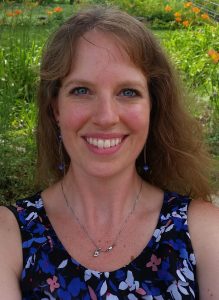
Julie Hill, your Walworth, Rock and Jefferson County Horticulture Outreach Specialist, is available to provide presentations on a variety of gardening related topics for groups and organizations.
To schedule a presentation contact Julie at julie.hill@wisc.edu or 262-741-4958
Presentation Topic List (for Adult Programming)
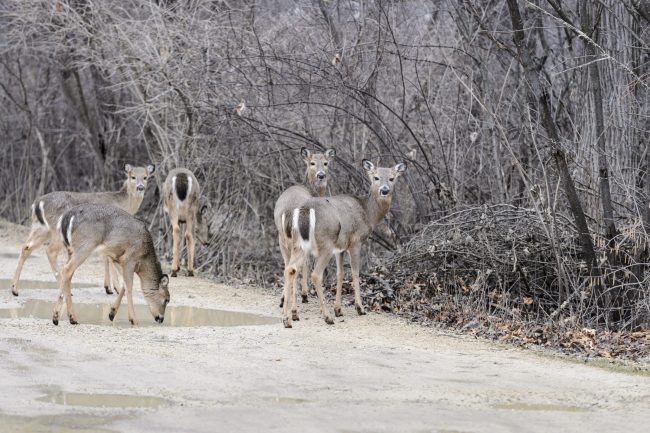
Gardening with Nosey Neighbors (The Furry and Antlered Kind)
Does your garden feel like a buffet for local deer and rabbits? Our gardens don’t exist in isolation — they’re part of a living neighborhood, including some nosey wildlife neighbors. In this interactive program, let’s explore common wildlife visitors and what’s driving their activity in suburban areas. You’ll be ready to garden with confidence, keep the peace with your wild neighbors, and enjoy a space that grows in step with nature.
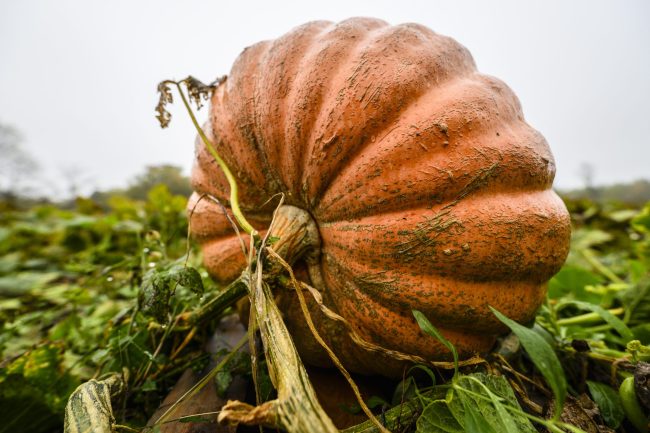
Gourd-Geous Viny Veg
Cucumbers, squash, pumpkins and gourds are very popular crops to grow in the home garden. Join us for an engaging gardening presentation designed to help you successfully grow your viny vegetables this year. Learn how to choose the best crops, prepare the ideal planting site, care for your crops throughout the growing season, and tackle challenges like weeds, pests, and diseases with integrated management strategies. Whether you’re a seasoned gardener or just starting out, this presentation will equip you with the knowledge and skills to cultivate healthy, productive vine crops.
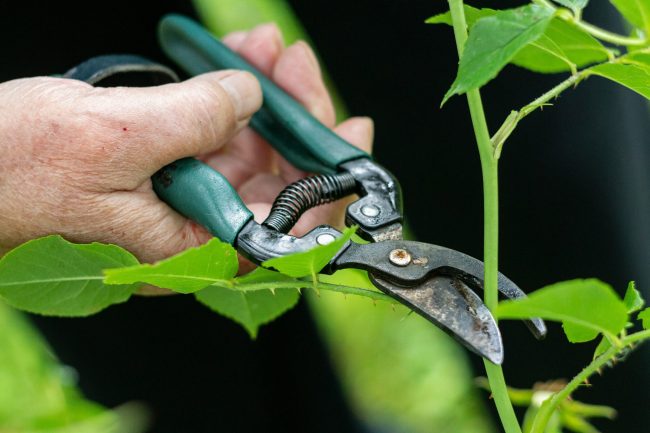
Making the Cut: Pruning Fundamentals
Join us to learn more about the art and science of basic pruning for trees and shrubs. You will learn the essential why, when and how of tree pruning to encourage healthy trees, improve fruit yield, and reduce potential hazards. This is ideal for beginner gardeners.
Gardening for Hummingbirds
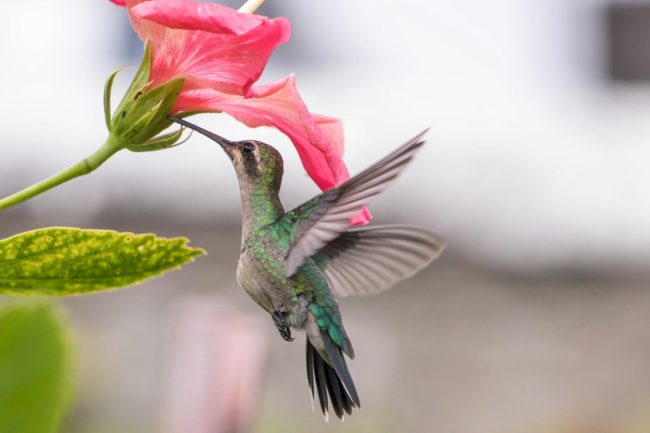
Join us to unravel the secrets of attracting the “jewels of the garden.” From territorial displays to fierce competition, we will dive into the hummingbird’s world to learn how your garden or yard can meet their needs. We will explore the challenges facing hummingbirds in our region and learn how to make your yard hummingbird friendly with flowers, perches, insects, and water. You will go home prepared with knowledge and resources so that your garden spaces can be a sanctuary for hummingbirds.
Balancing Act in the Home Garden: Protecting Pollinators While Managing Pests
Join us for an overview of integrating pollinator protection with pest management in your home landscape. We’ll cover the fundamentals of Integrated Pest Management (IPM), pesticide labels, differences between systemic and contact pesticides, and discuss the toxicity of common products or ingredients to pollinators. By the end of this program, you’ll be prepared with strategies for simultaneously prioritizing pollinator protection and pest control in your own backyard.
What’s the Deal with No Mow May?
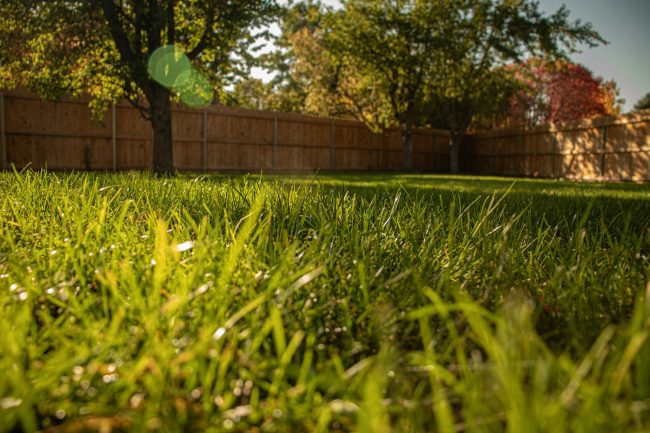
“No Mow May” has become a catchy phrase in Wisconsin, encouraging homeowners to allow their lawns to grow during May. But does this practice actually support pollinators? Join us to learn about how an unmowed lawn impacts (or may impact) pollinators and how you can support pollinators all year long. We will share science-based resources to help you make informed decisions about lawn care and create a pollinator-friendly landscape.
Gardening Small
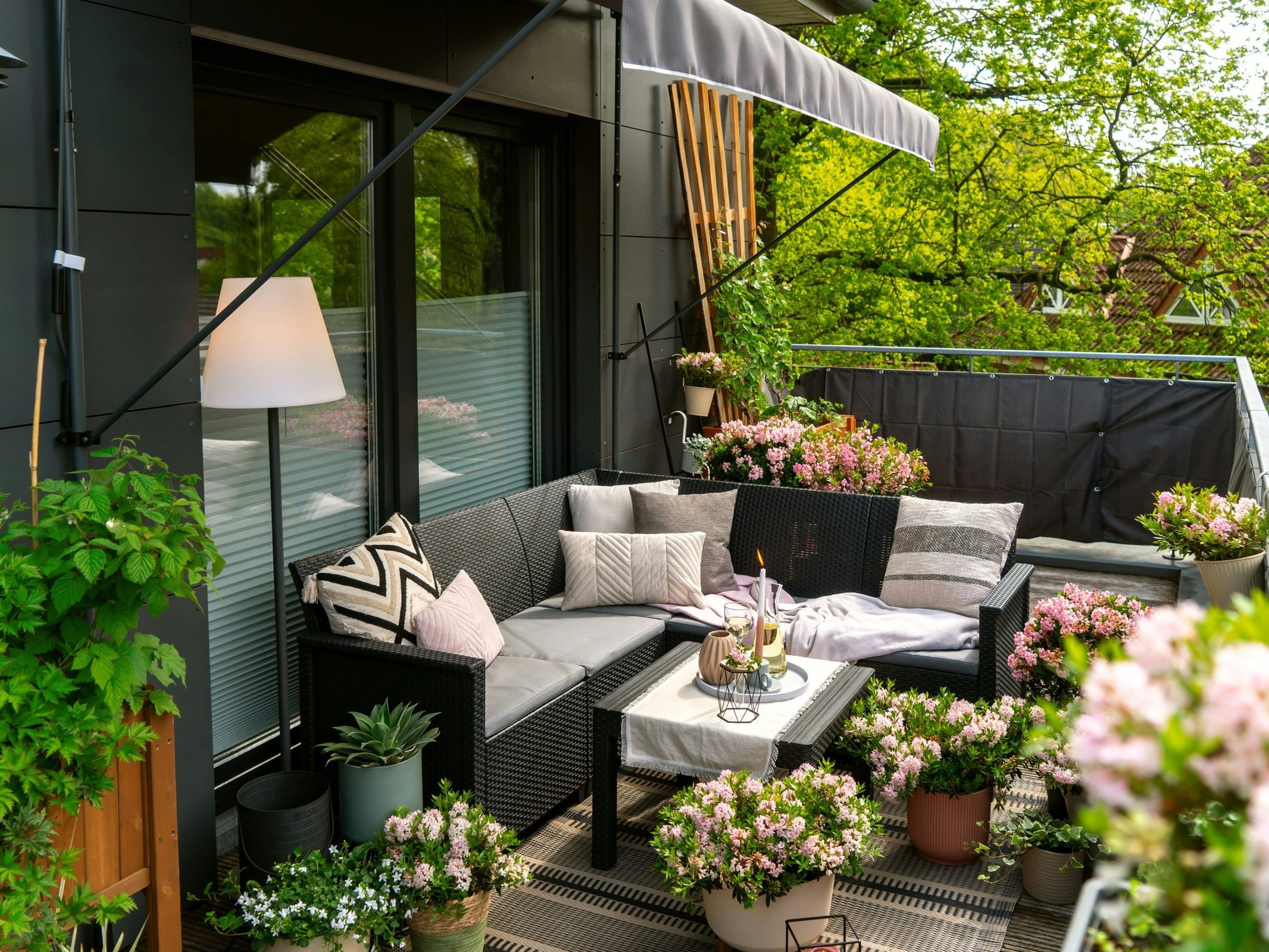
Growing veggies and flowers seems out of the question when space is precious, especially in a small yard, no yard, or a patio/balcony. Keeping in mind the basics of plant health, we will explore ways that you can maximize the space that you do have. We’ll review a variety of methods such as container, square foot, vertical gardening and hydroponics.
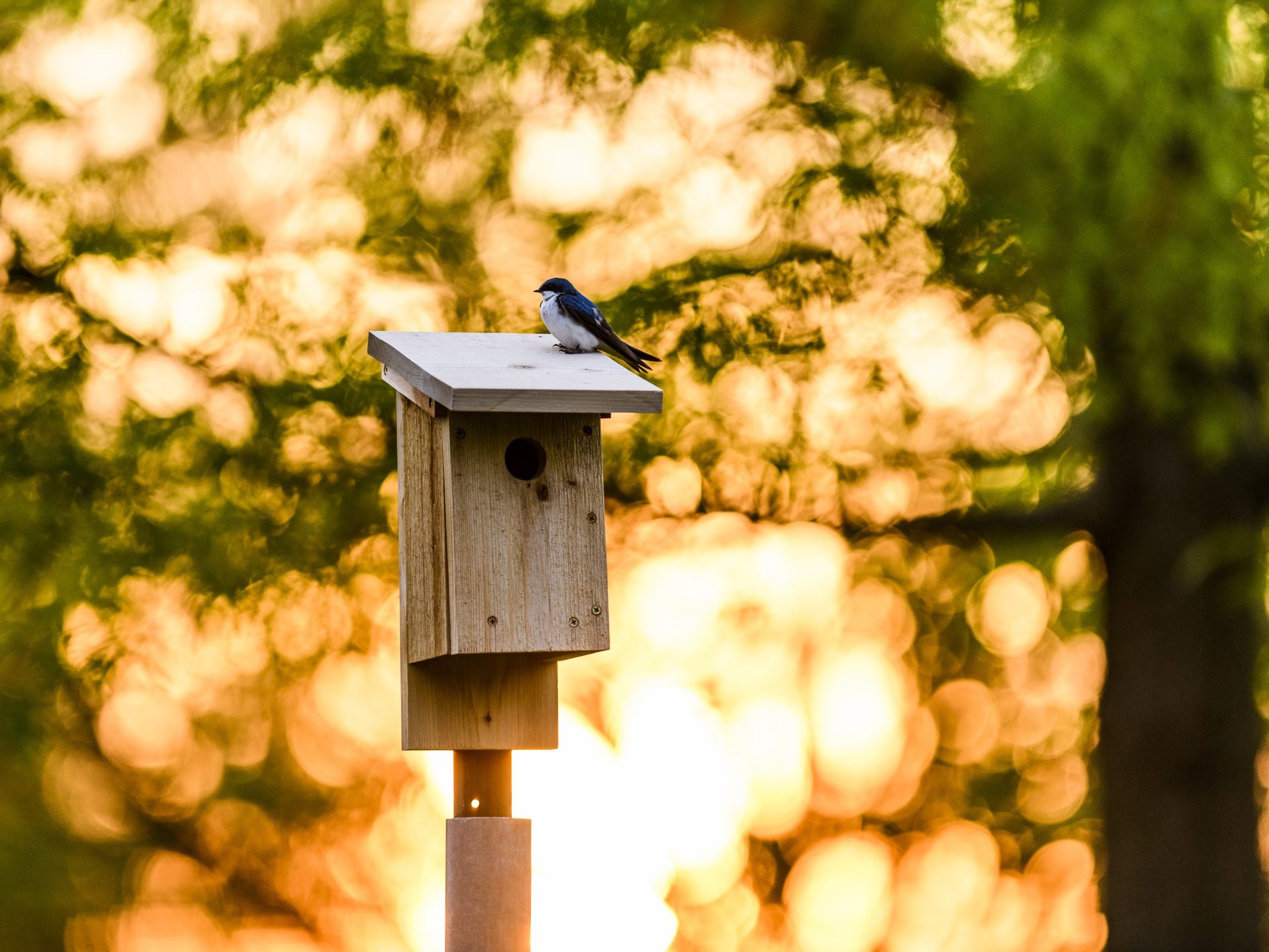
Beyond Birdfeeders: How to be a Bird-Friendly Gardener All Year Long
There are many benefits to both wildlife and people when you prioritize the needs of birds where you garden. We will talk about gardening practices you can do throughout the year to encourage bird visitors, plus birdfeeders, water, and how to improve shelter and nesting sites.
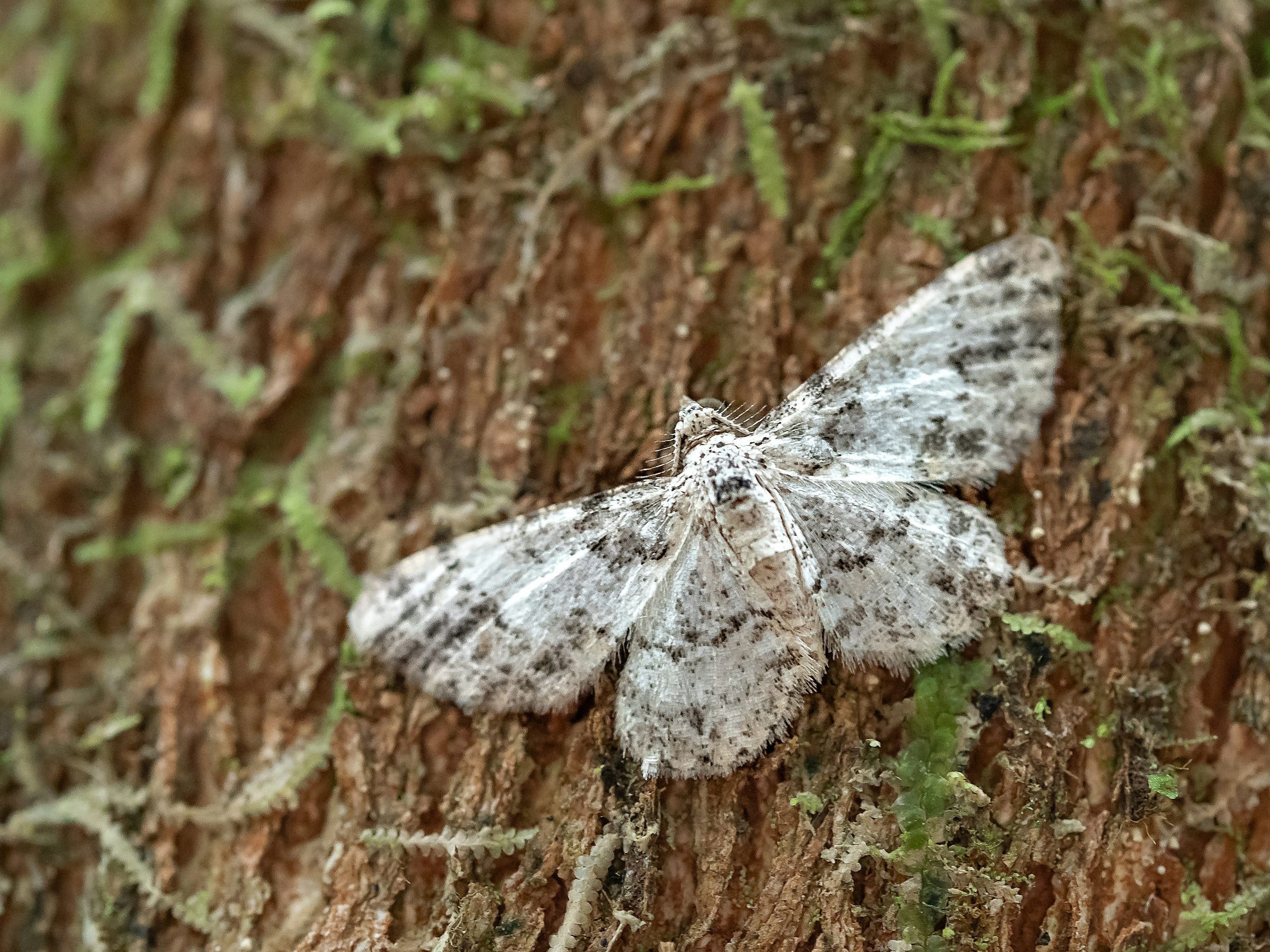
Tree Troubles: Factors of Tree Decline and Spongy Moth Management
There are a variety of factors contributing to the declining health of trees in our landscape, in particular the oaks. In addition, spongy moths have become a well-known pest in the past couple years. Join us to learn about the stressors facing oak trees, how to promote healthy trees and options for managing spongy moths in your yard.
Join us to learn about the stressors facing oak trees, how to promote healthy trees and options for managing spongy moths in your yard.
(*Note – this one can also be trimmed to only talk about spongy moths)
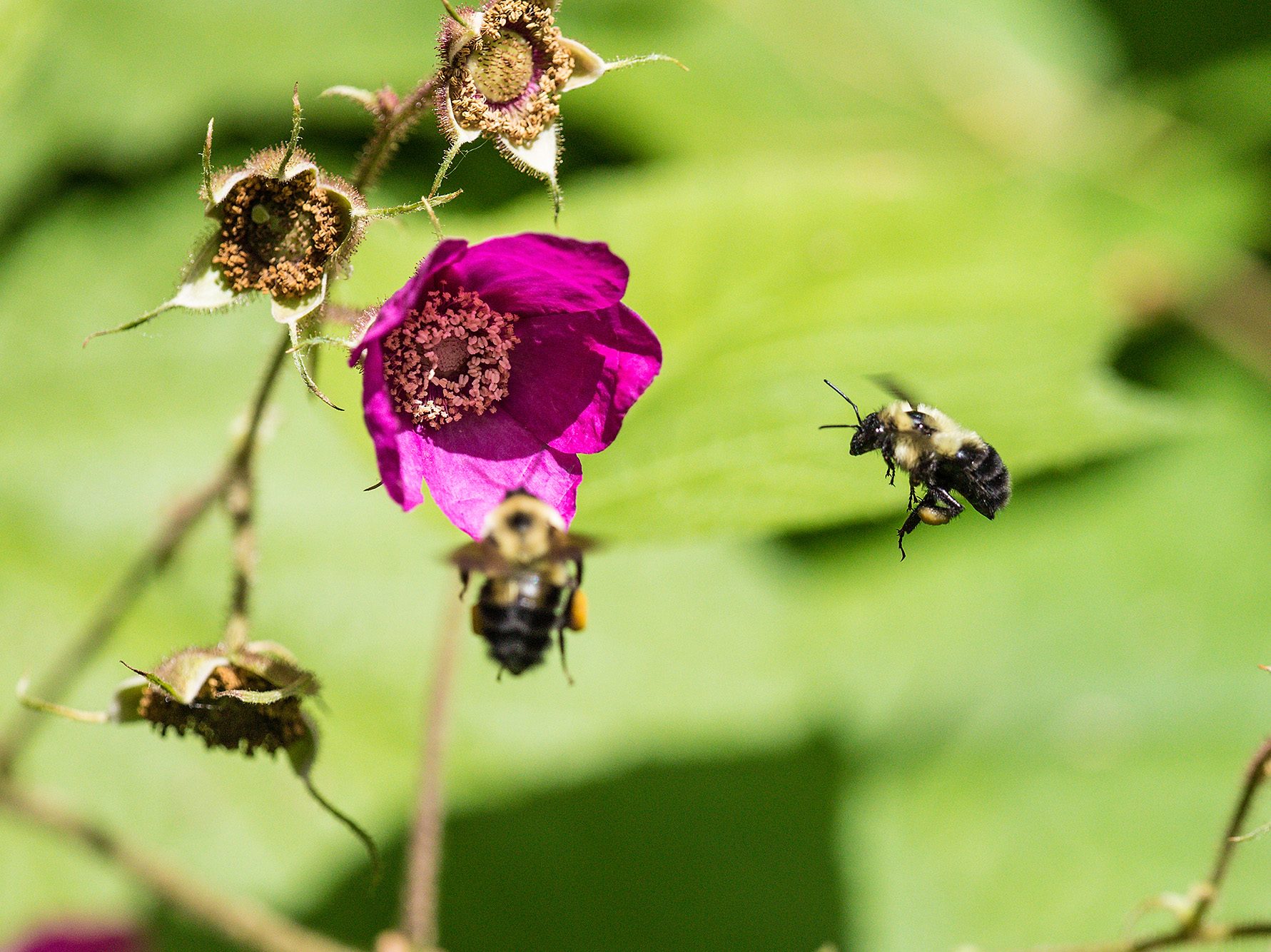
Planting for a Buzz: A Guide to Pollinator Friendly Gardening
Learn more about how you can plan for your yard and garden to be pollinator-friendly this year. We will talk about the pollinators that live in your landscape, why they are at risk, and gardening practices you can do to support pollinator habitats and health.
Gardeners Lead the Way: Practical Approaches to Gardening in a Changing Climate
We will discuss the basics of climate and the carbon cycle so we have a common understanding of what climate change is, the impacts of climate change in Wisconsin, and the relationship between gardens and gardeners to climate change. We will discuss how you, as gardeners, no matter your experience or expertise of gardening, no matter if you have a large, small or no yard, can help lead the way through sustainable gardening practices to slow down climate change.
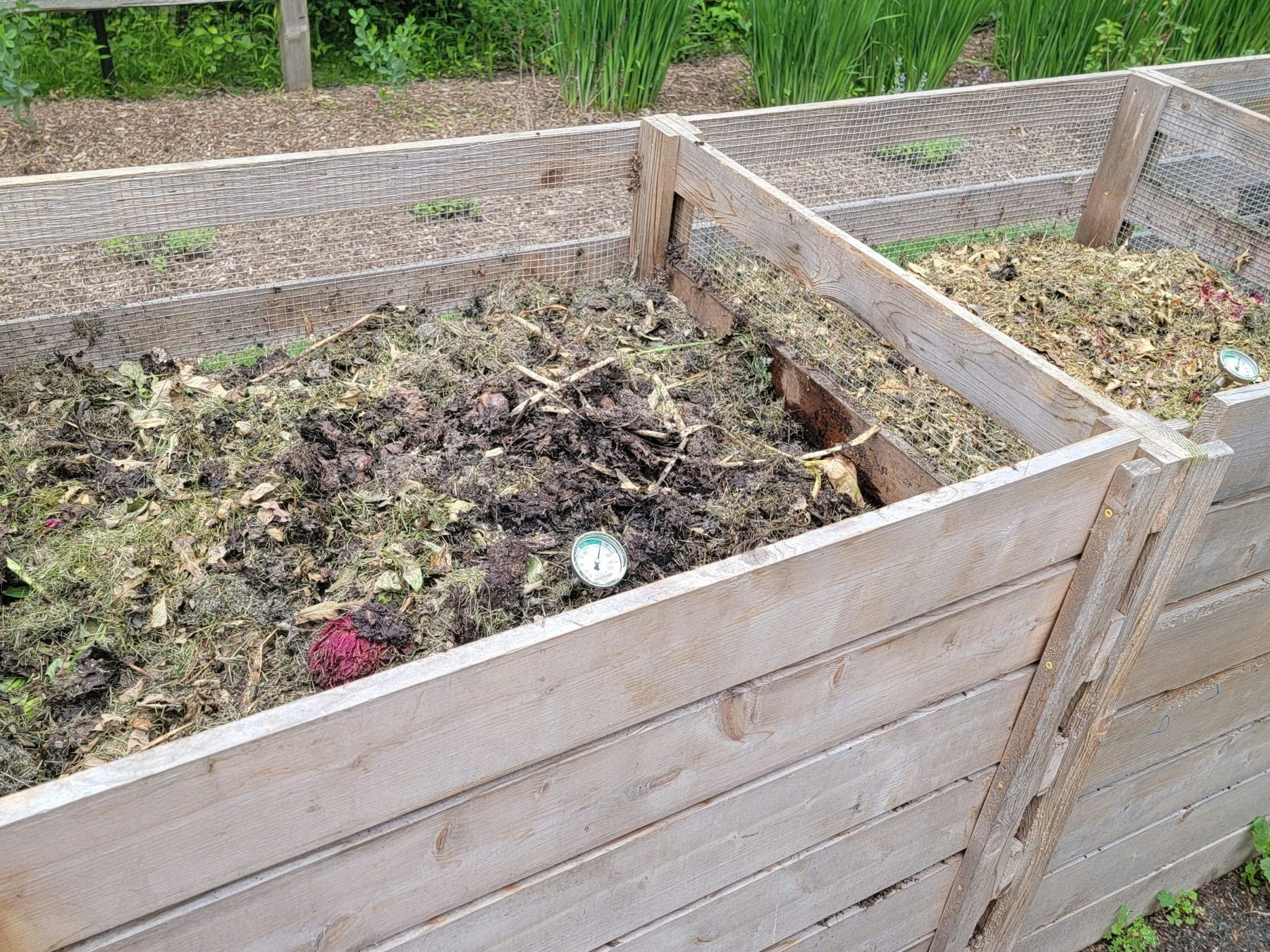
From Scraps to Soil: Composting Basics
Have you ever wondered about making your compost? In this overview of composting basics, find out the do’s, the dont’s, and what happens to compost over winter so you can successfully recycle your lawn, garden and food scraps.
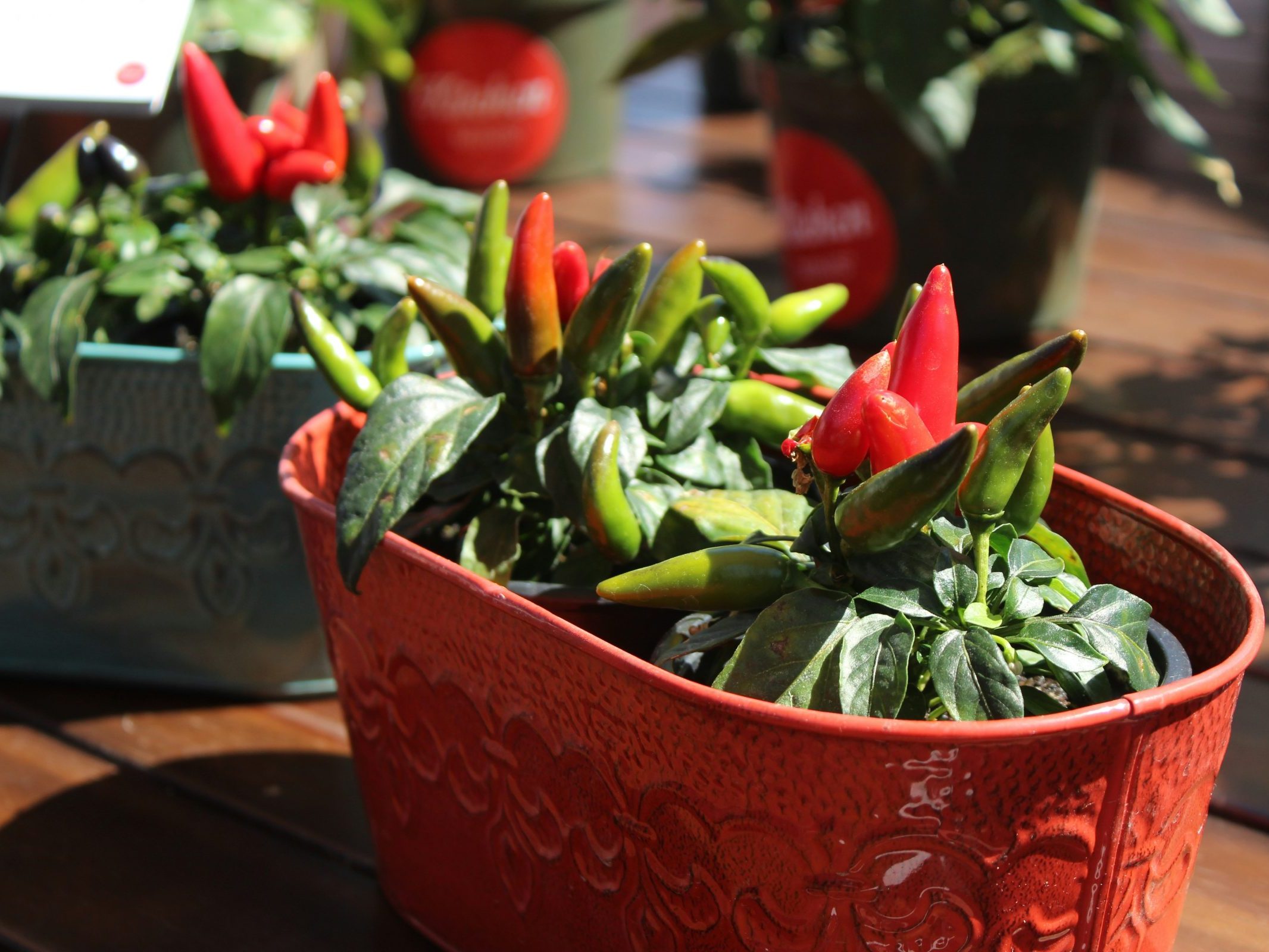
Growing Vegetables in Containers
Growing vegetables in containers is a great way to grow fresh food without needing a lot of space. Almost any vegetable can be grown in a container. Learn about how to select and care for a variety of vegetables, from leafy greens to root crops, and keep them thriving all season long.
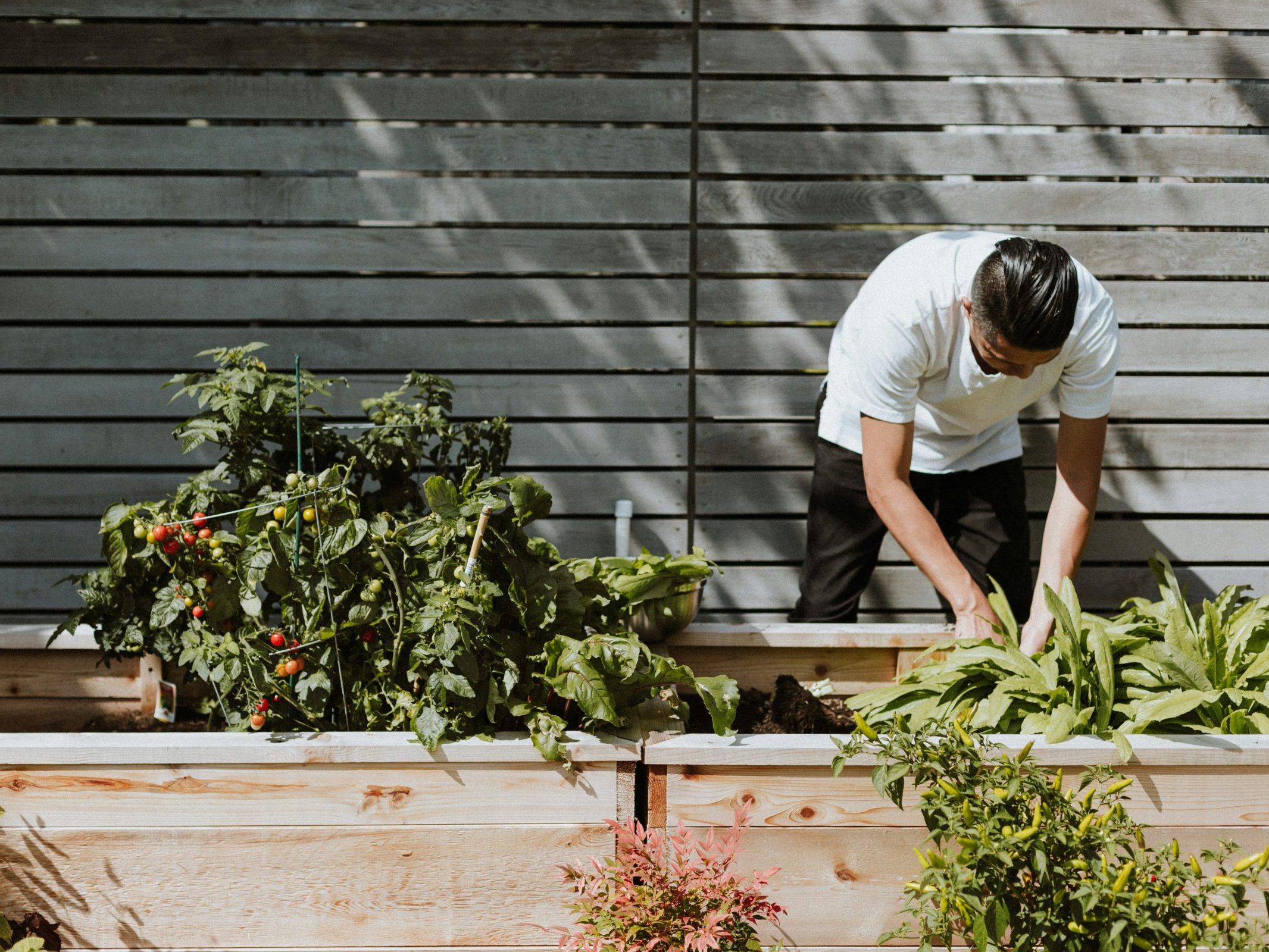
Fall Gardening for a Winter-Ready Landscape
Even though the days are getting shorter and winter is around the corner, your gardening tasks are not done yet! Join us for this overview of gardening practices for pest prevention, plant protection, and garden/lawn preparation. We will discuss garden clean-up in relation to diseases, insects, and wildlife food; fall lawn care, protecting susceptible plants from snow/cold damage and more.
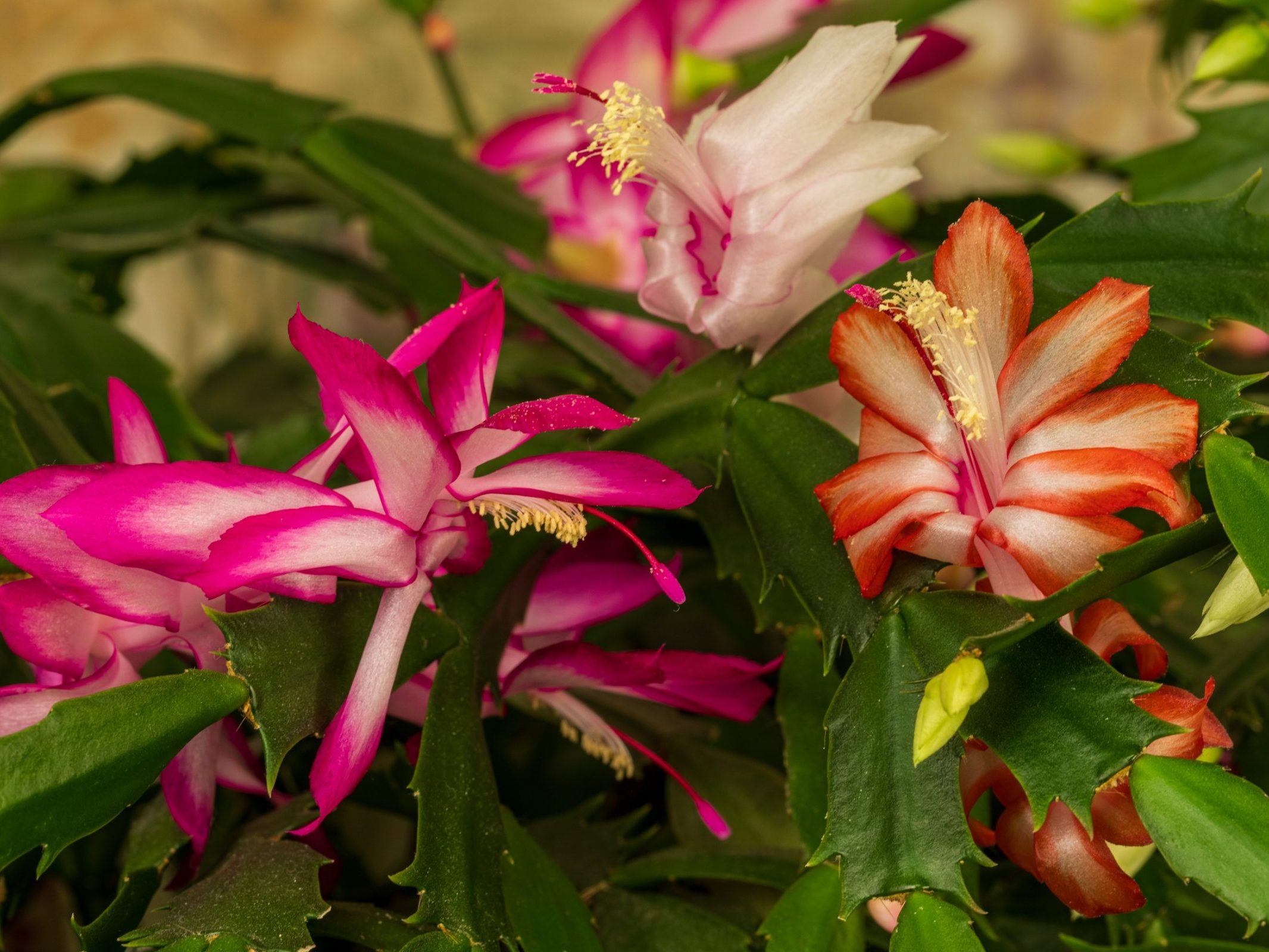
Gift Plants Unwrapped
Holiday houseplants are a common gift that you may give or receive. Join Julie, your local horticulture educator and learn how to keep a poinsettia, holiday cactus, Norfolk Island Pine and other favorite gift plants thriving. We’ll cover requirements including light, watering, fertilizer, and humidity.
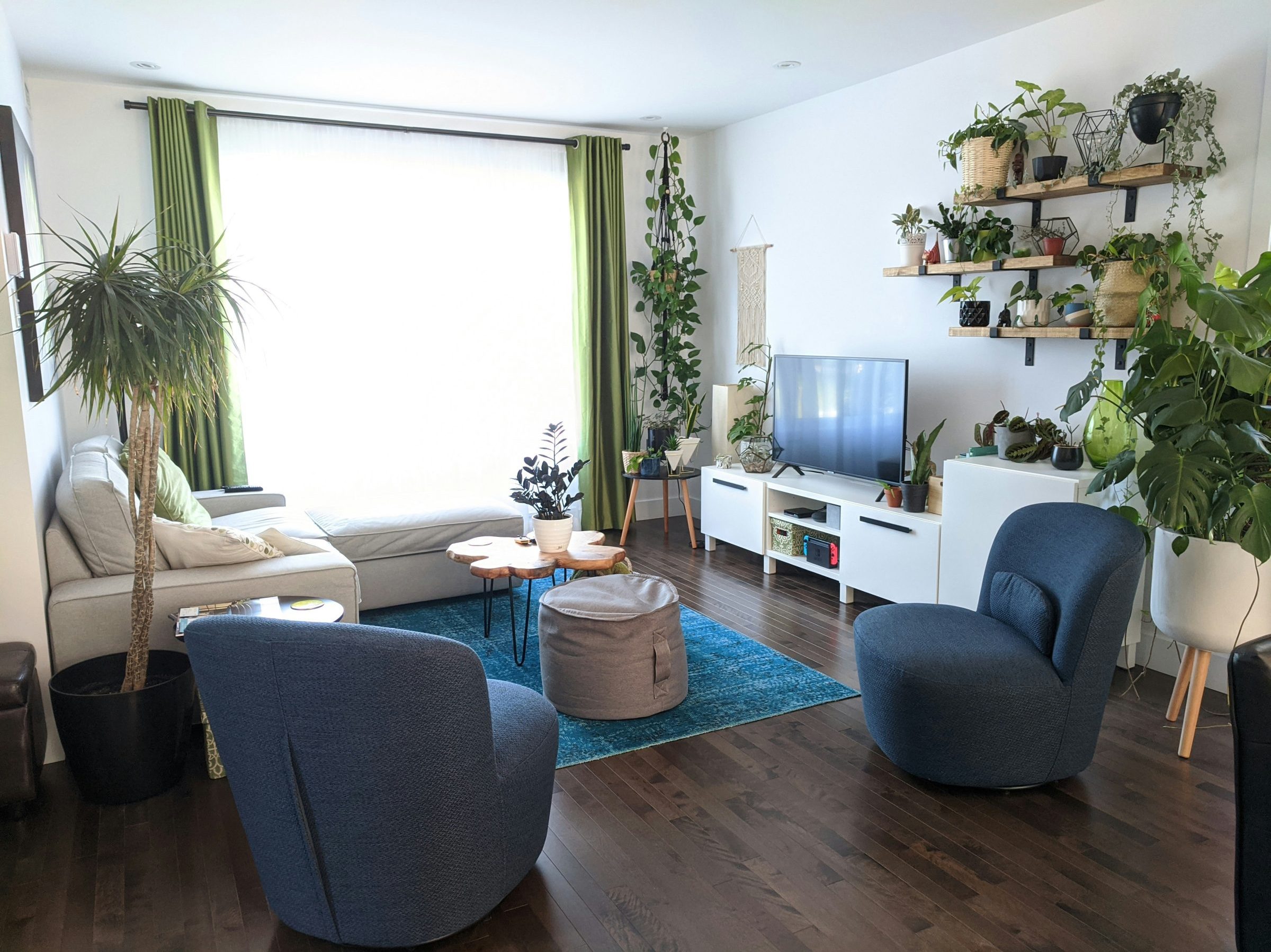
Houseplant Essentials
Growing houseplants has a lot of benefits, especially for our well-being. But it’s so frustrating when they aren’t looking their best! Let’s get together and talk about your houseplants. We’ll go through the essentials of what houseplants need, common problems, and tips to get your plants back into shape!
Optional: bring in a houseplant for repotting and we’ll do it together!
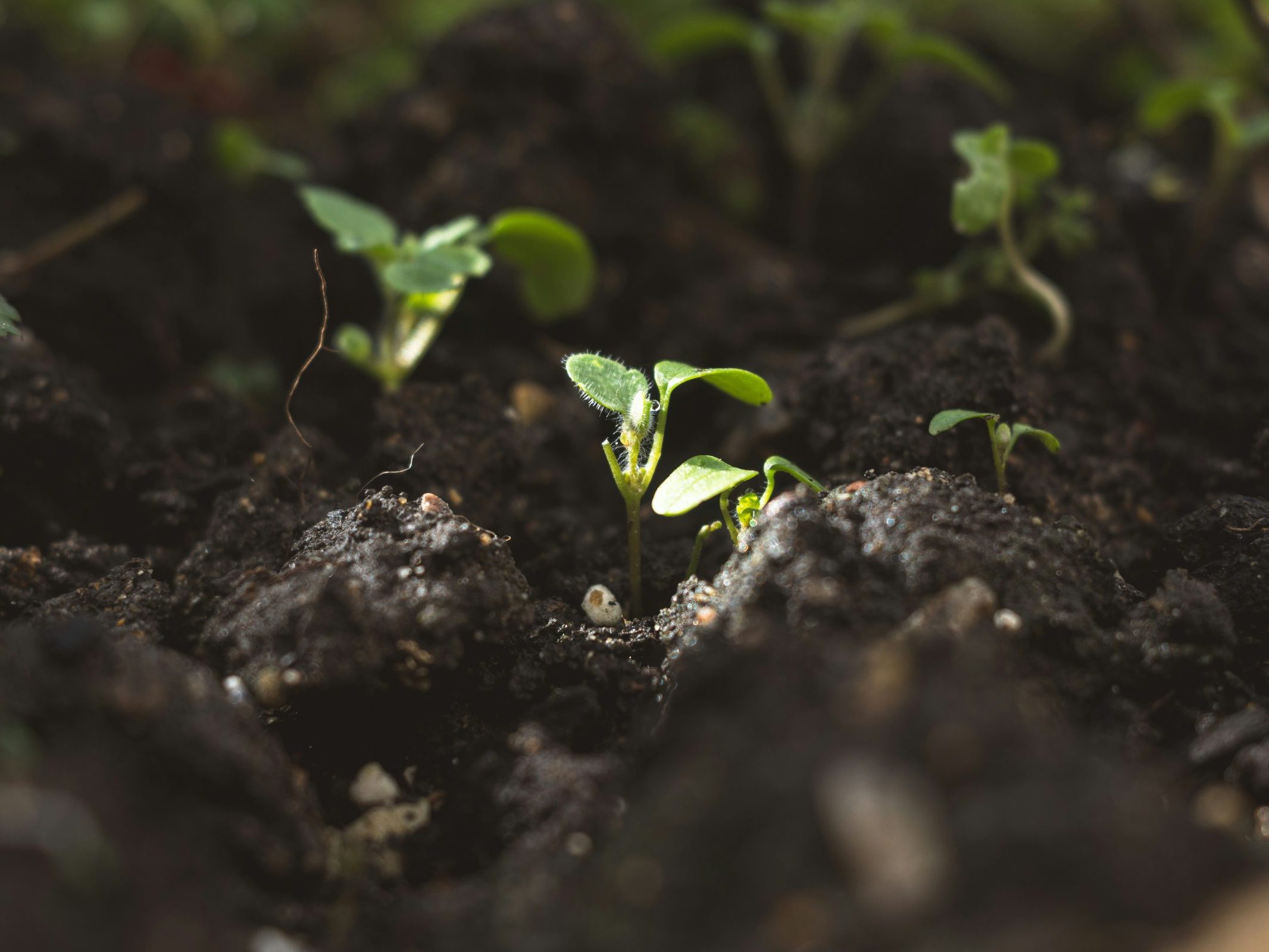
Understanding Your Garden Soil
Understanding your garden soil can help unlock your garden’s potential. We will discuss soil testing and how to interpret the results. We will look at how soil pH impacts nutrient availability and plant health. Finally, we’ll take a closer look at fertilizer labels and application rates to avoid over applying fertilizer nutrients which can negatively impact the environment. You’ll gain practical tips for applying the right amount of nutrients to create the healthiest garden possible.
Replanting After a Storm
After severe weather changes your landscape, where do you begin? Replanting after a storm is an opportunity to rethink your landscape. Learn what to consider before you plant, how to choose plants that fit your site and goals, and the planting and care practices that can help them thrive.