

Community Development

Community Development
Backed by University of Wisconsin research, the Community Development educator works with local government, community organizations, business, and community leaders to enhance local decision-making and help communities respond strategically to new challenges and opportunities. Our approach strengthens people’s ability to identify and solve community problems through education, community participation, and unbiased information that results in empowering residents to make informed decisions to result in better communities.
Community development is the process of helping a community to increase vitality
while developing towards its full potential.
Extension helps Wisconsin residents, organizations, and communities address their unique challenges and opportunities by providing a variety of educational programs, research, and resources to address local issues.
Current Programs

Starting a Business & Business Foundation Resources
Navigating the business life cycle in Jefferson County, WI requires matching your company’s
stage with the localized public-private resources designed to support it.
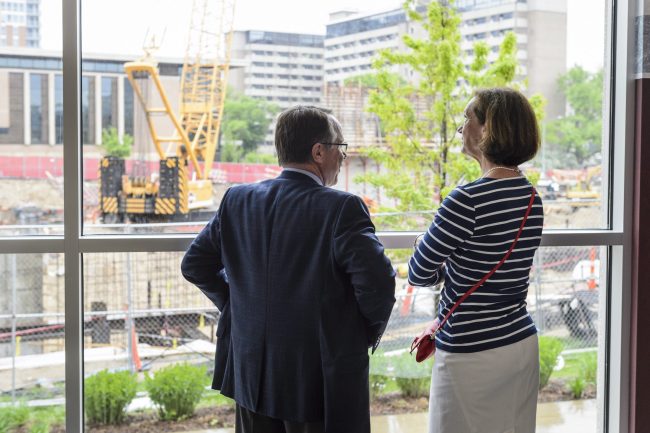
Wisconsin Rural Entrepreneurial Venture (REV) Program
A hands‑on program supporting entrepreneurs and small business owners as they explore, launch, or strengthen ventures that contribute to rural and community vitality.

Real Colors®
Interactive workshops that help participants understand personality styles to improve communication, teamwork, and leadership effectiveness. These sessions are well suited for community groups, organizations, boards, and workplaces.
Our Community Development Work Plan is Designed to Support the 2023-2033 Strategic Plan Priorities of Jefferson County:
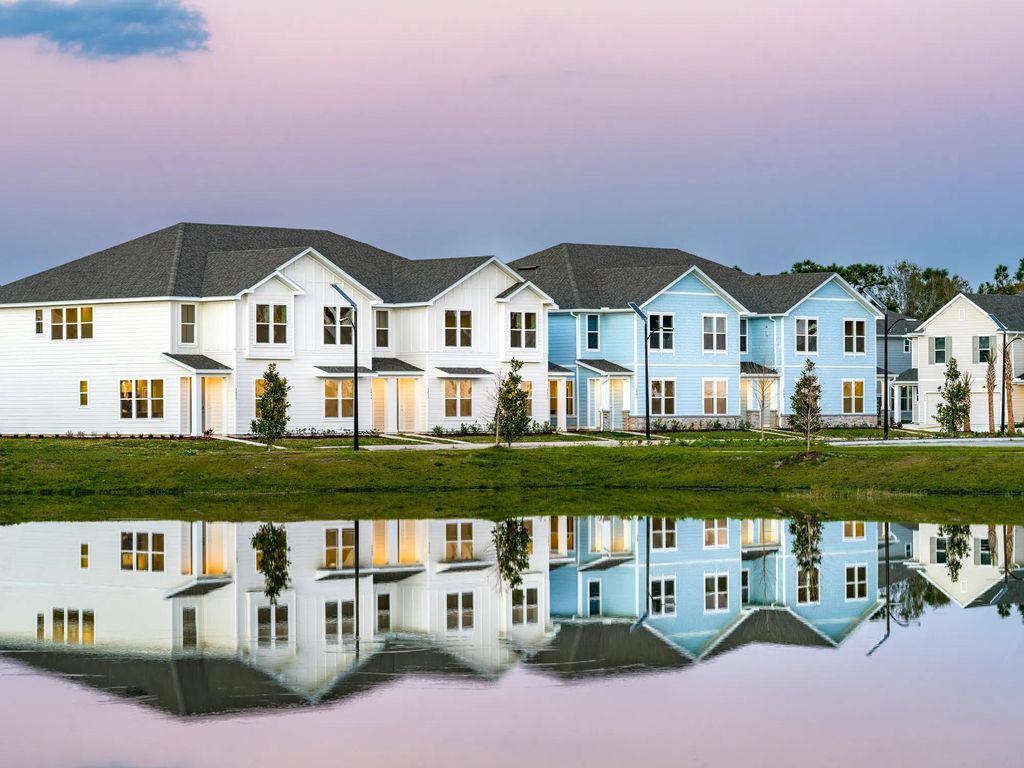
Diverse Housing Opportunities
Goal 1: Encourage and promote thoughtful planning, diversity, and density in housing stock.
Goal 2: Increase attainable housing options and all price points.
Goal 3: Plan for the impacts of housing.
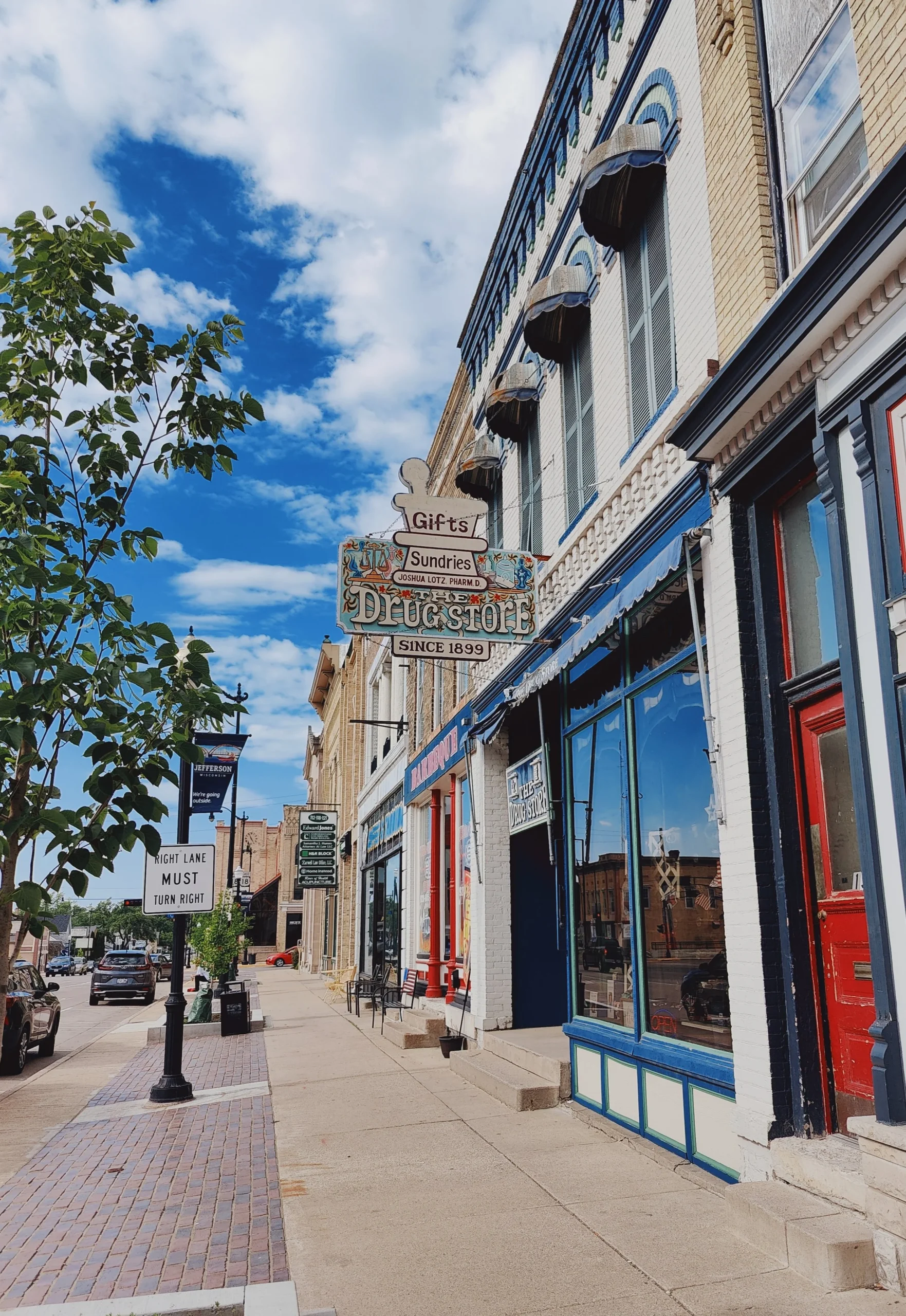
Intentional Economic Growth
Goal 1: Support a thriving business community through business retention, expansion and attraction efforts
Goal 4: Foster partnerships and collaboration to serve as a catalyst for intentional economic growth for the county and its towns, cities and villages.
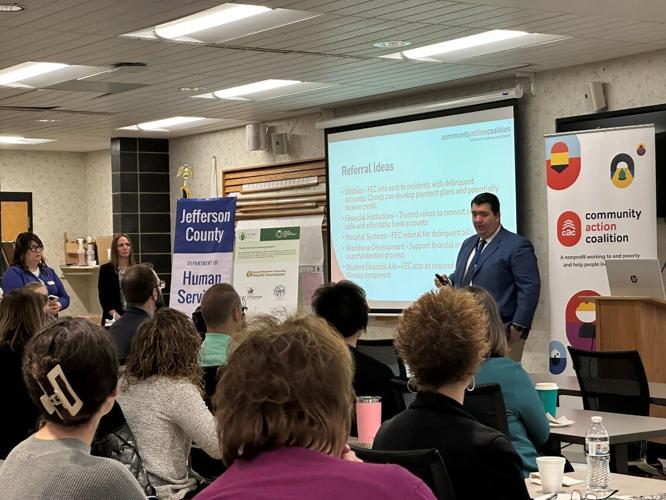
Transformative Government
Goal 4: Strengthen internal, intergovernmental and community partnerships
Obj. 4.3 Continue to expand public outreach efforts and enhance community engagement.
Organizational Development
Nonprofits who have served the community for years may look in the mirror and realize change is necessary. Change can be driven by a turnover in leadership, shifting funding relationships, an unexpected crisis, a desire to serve community members in new ways, or any number of internal or external conditions. The decision to change is the easy part. The bigger challenge is implementing change intentionally and sustainably. A well-designed organizational change process is critical.
Based on shared and individual organizational needs, Extension custom designs educational workshops that provide opportunities to pause, reflect, connect and determine new strategies and processes to achieve outcomes.
Contact Steve to discuss your nonprofit organization’s needs, from board recruitment and development to strategic planning. Together, we can analyze needs and determine appropriate educational processes. Ultimately, we want to assist your organization in becoming more successful in creating community value while delivering on mission.
Registration for Fall 2026 Renewable Energy Cohort
Solar panels and wind turbines are becoming increasingly common in Wisconsin’s energy portfolio as low-cost, reliable energy sources. As our state’s energy landscape shifts, many communities are facing new challenging conversations and navigating complicated processes, some for the first time.
To help communities navigate these changes with confidence, we invite you to join the Fall 2026 Renewable Energy Cohort.
This virtual series will take place weekly on Thursdays from September 17th to October 8th from 12:00 PM to 1:30 PM.
• September 17: Wisconsin’s Energy Landscape & Community Engagement
• September 24: Community Priorities in Locally Permitted Projects
• October 1: State Regulatory Process & Joint Development Agreements
• October 8: Local Government Actions
There is no cost to participate in the Fall 2026 Renewable Energy Cohort.
Local Government Academy
Open to residents, the Local Government Academy provides a hands-on opportunity for residents to learn more about local government operations and services, widen community relationships, develop leadership skills, and identify opportunities to apply leadership skills in the community and within local government.
Contact Steve Chmielewski, Community Development Educator, at steven.chmielewski@wisc.edu to learn more!
Upcoming Events

Steven Chmielewski
Community Development Educator (Jefferson and Waukesha Counties)
Email: steven.chmielewski@wisc.edu