

Horticulture
Horticulture
The University of Wisconsin-Madison’s Extension Horticulture Program is a leading source of horticultural knowledge renowned for its commitment to delivering research-based information and guidance to the people of Wisconsin. We provide evidence-based horticulture management education, resources, and decision-making tools to home gardeners and commercial horticulture practitioners so Wisconsinites can keep their plants healthy while protecting the environment.
Getting Ready for Fall
Fall Trees
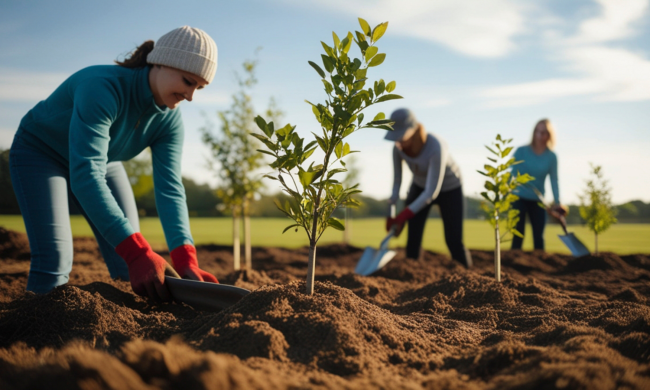
Review this compilation of tree species identified in various Extension resources as recommended for fall planting or for waiting until spring to plant. Some species appear on both lists.
Need a refresher? Before you begin, check out 5 Steps to Plant a Tree to make sure your newly planted trees get a strong start..
Bulb Planting
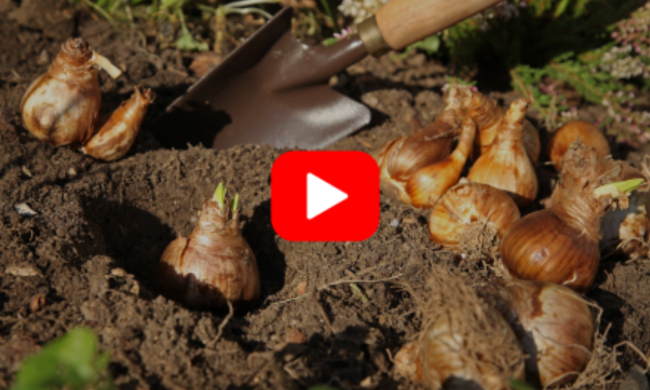
Fall is a great time to plant bulbs for spring beauty. In this webinar, you’ll learn essential tips on how to select the perfect bulbs, correctly plant them, and protect new plantings.
Extend the Season
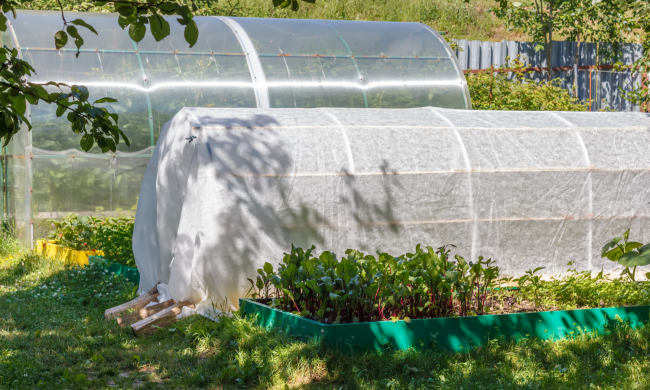
Cold frames and hot beds, hoop houses, cloches, and floating row covers allow gardeners to grow plants earlier in spring and later in fall. Although these structures are used primarily for growing vegetables, they may be used for growing ornamentals, including flowering plants, as well.
Ask Your Gardening Questions
We are here to assist you with your indoor and outdoor plant, yard and landscape questions.
Contact Julie, your Jefferson County Horticulture Outreach Specialist, directly with your gardening questions:
Email:julie.hill@wisc.edu
Office Phone: 262-741-4958
Text/Cell Phone: 262-374-4191
Or use the Ask Your Gardening Question online form: https://hort.extension.wisc.edu/ask-a-gardening-question/
Presentations and Outreach
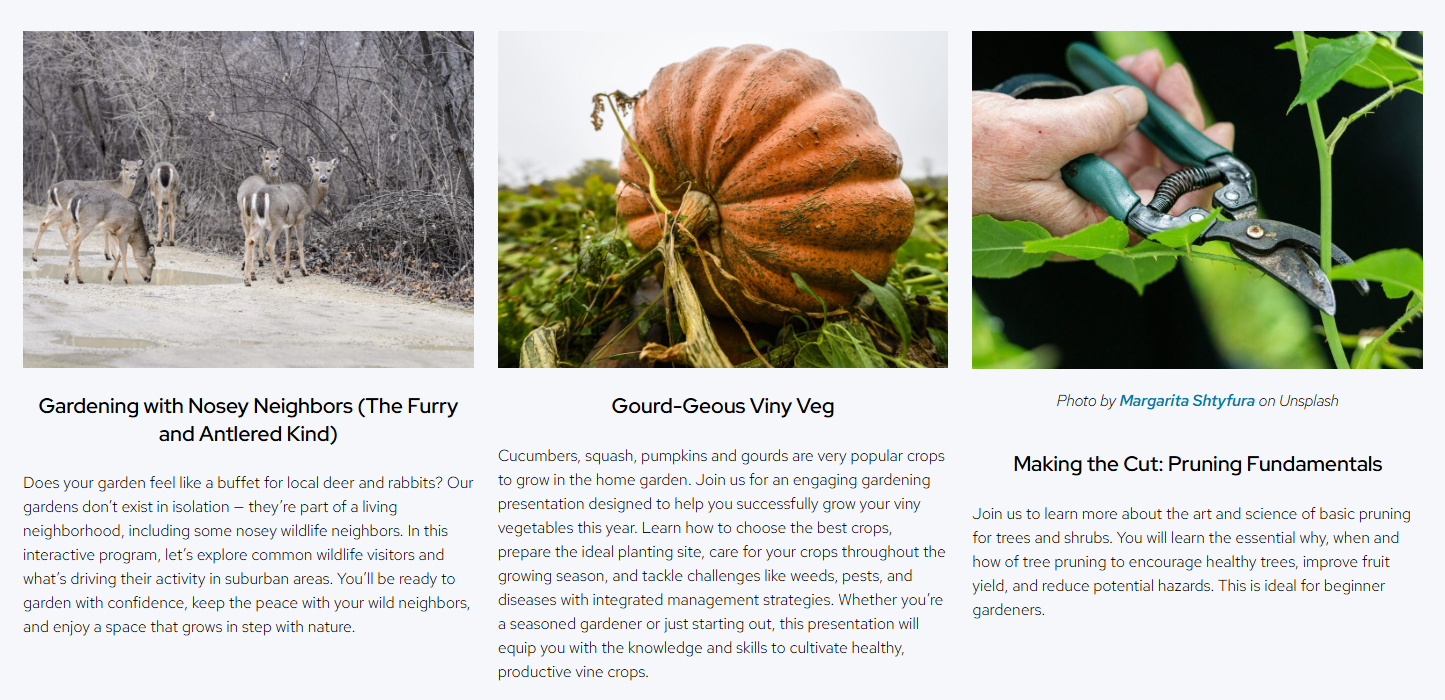
Julie, your Jefferson County Horticulture Outreach Specialist, is available to provide presentations on a variety of gardening related topics for groups and organizations. To schedule a presentation contact Julie at julie.hill@wisc.edu or 262-741-4958. View the presentations she currently has available by clicking the “Presentation List” button below.
Upcoming Events
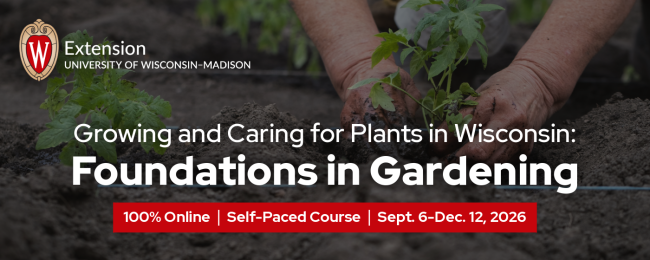
Growing and Caring for Plants in Wisconsin: Foundations in Gardening
Registration is CLOSED
Improve your gardening skills with Extension!
Want to be a better gardener? Whether you’re new to gardening or looking to deepen your skill set, Growing and Caring for Plants in Wisconsin: Foundations in Gardening is the course for you. This online, self-paced course teaches practical gardening skills along with easy-to-understand explanations behind why and how they work.
Foundations in Gardening runs Sept. 6-Dec. 12, 2026. Regular registration runs Aug. 10-24. A limited number of need-based scholarships will be available on a first-come, first-served basis. Learn more about the Foundations in Gardening course.
This course is an approved learning opportunity for those interested in joining the Wisconsin Extension Master Gardener Program. Learn how to become a Master Gardener at mastergardener.extension.wisc.edu/join.
Gardening & Horticulture Resources
Additional gardening and horticulture resources can be found at the Wisconsin Horticulture Program website or you can use the quick links below:


Stay Up to Date with Us
Subscribe to Our Newsletter
We send out newsletter on the first Friday
of every month. Sign up to receive updates
in your inbox!

Julie Hill
Horticulture Outreach Specialist
Serving Walworth, Rock and Jefferson Counties
Email: julie.hill@wisc.edu
Office Phone: 262-741-4958
Cell Phone: 262-374-4191