

Animal Science Projects
* Projects that are currently offered at a countywide level in Jefferson County. All other project options are available at the club or individual level.
Beef*
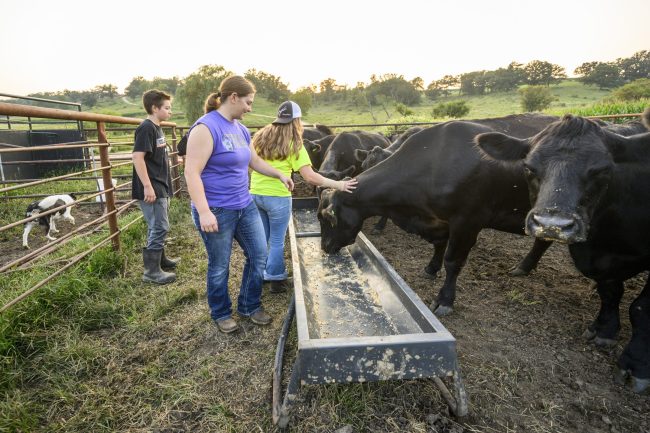
In the beef project you can learn how to select market quality animals, selecting proper feed, identify different beef breeds, and gain some herd management skills. You will have the chance to learn about carcass value on market beef as well. This project is filled with many hands-on activities.
Cats
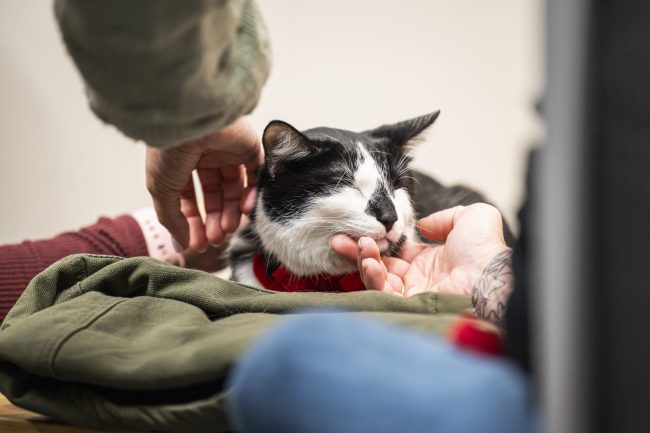
Through the cat project you will learn how to select a cat, identify cat breeds, name the parts of a cat, handle and groom a cat, care for its health, and create a budget.
Cavies
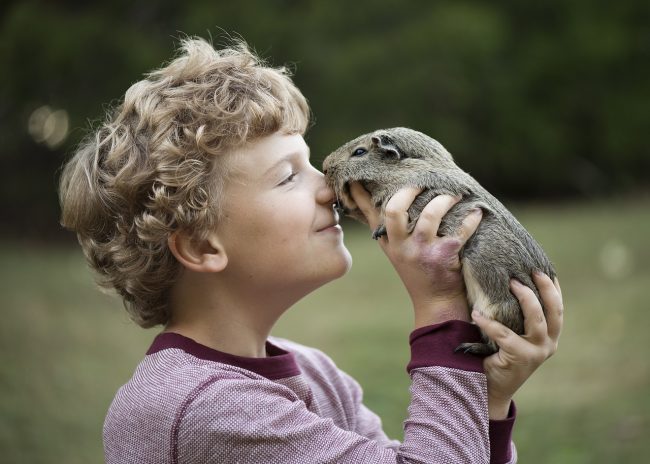
Cavies are pets, such as guinea pigs, hamsters, birds, mice, rats, other rodents, and any other small animals.
Dairy*
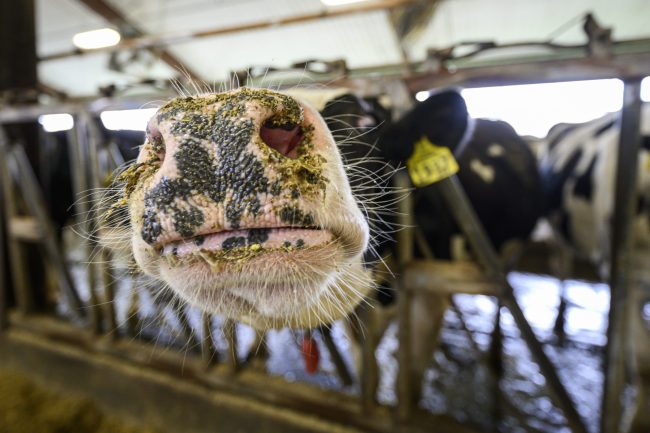
The dairy project is fun way to learn about the management and care of dairy cattle. Project members will learn the various dairy breeds and anatomy of dairy cattle; as well as selecting desirable traits and how to fit and show a calf.
Dogs*
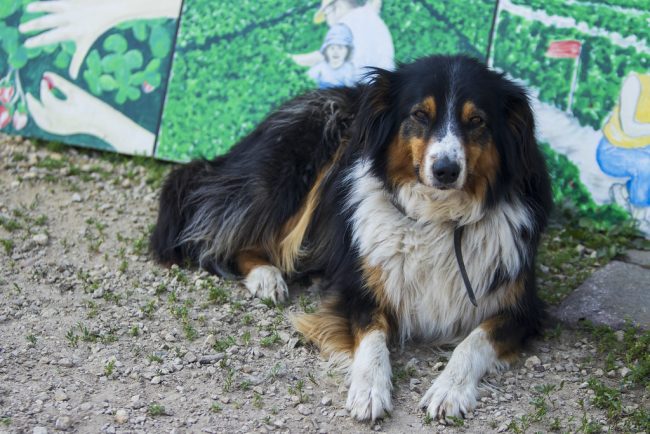
Project members learn the basic skills for dog care and training, discover different dog breeds and study and identify dog anatomy.
Exotic Pets
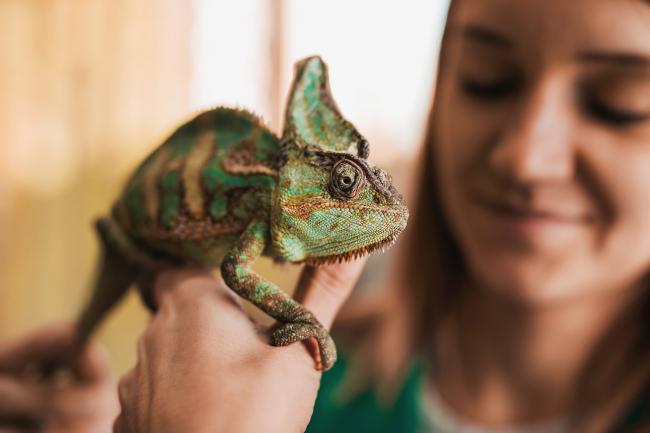
Learn about a variety of small pets, such as birds, guinea pigs, iguanas, snakes and frogs. Topics include feeding, housing and daily needs, pet selection, body parts, pet communication, handling, genetics, and reproduction
Goats*
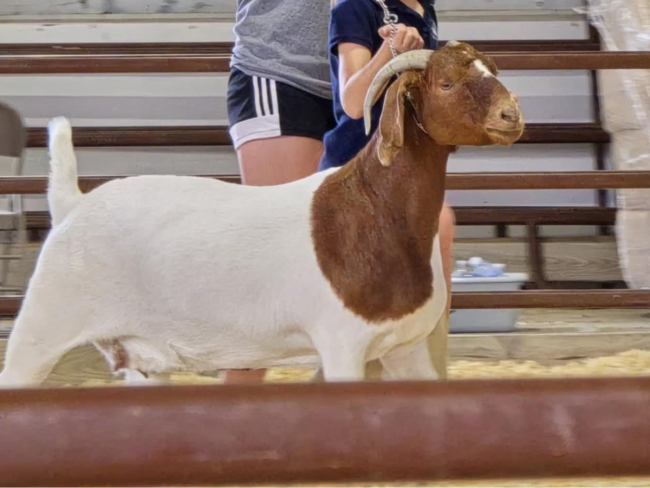
Project members can enroll in either dairy goats or meat goats. Generally, through the goat project members will learn various breeds of goats, anatomy of goats, and general management practices. Dairy goat project members will learn how to select dairy goats and learn about the milking procedure in dairy goats. Meat goat project members will learn how to select meat goats and learn the carcass value of meat goats.
Horse & Pony*
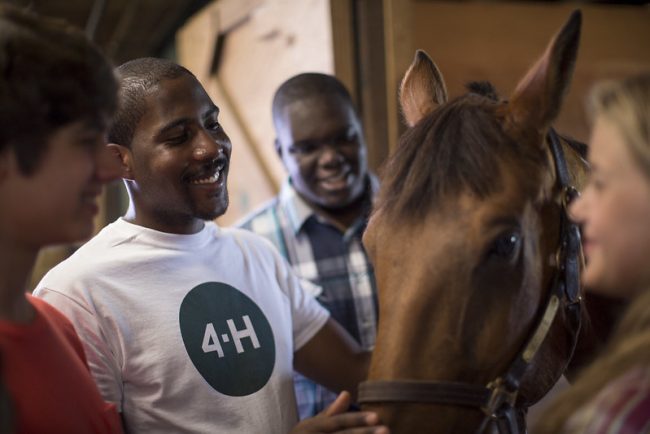
Project members will learn horse behavior and terms, study the breeds and identify body parts, and saddle, groom, and bridle your horse. Project members will also learn horse safety and horse selection.
Horseless Horses*
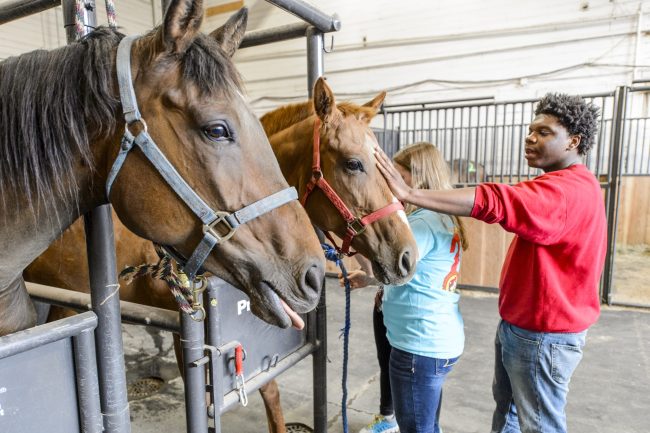
Through the horseless horse project, members do not need to have a horse. They will learn horse behavior, body parts, and other components of the project without a horse.
Llamas & Alpacas*
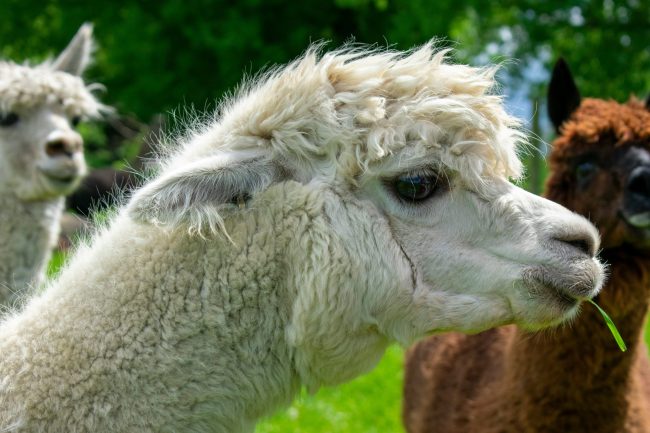
Llamas and alpacas can be a wonderful addition to a family farm and make great pets. The 4-H llama and alpaca project helps you find the kind of llama or alpaca that fits into your family’s lifestyle. It will enable you to be an excellent trainer and caretaker of your animal.
Pocket Pets
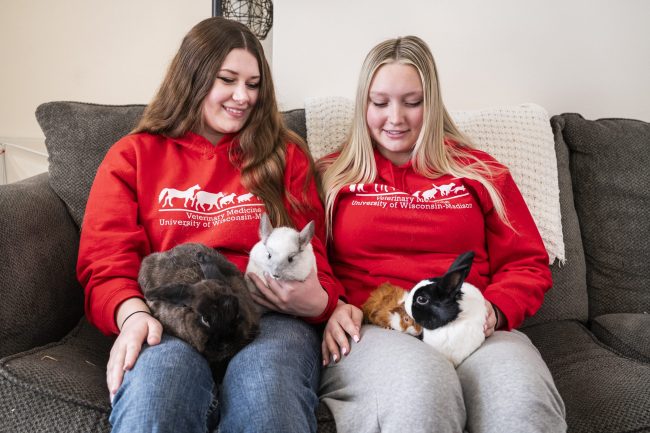
Youth will learn about various small animals such as fish, cavies, gerbils, chinchillas, ferrets, and parrots.
Poultry*
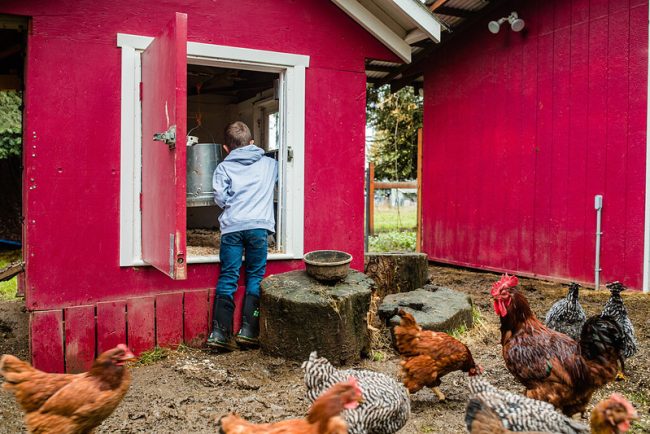
Youth can enroll in poultry, poultry market, and poultry non-animal.
Rabbits*
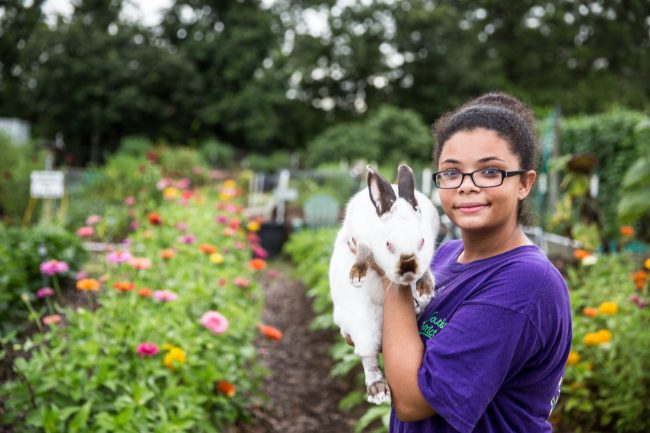
Project members will learn about selecting and handling rabbits, identify rabbit breeds and body parts, as well as explore health issues and feed.
Sheep*
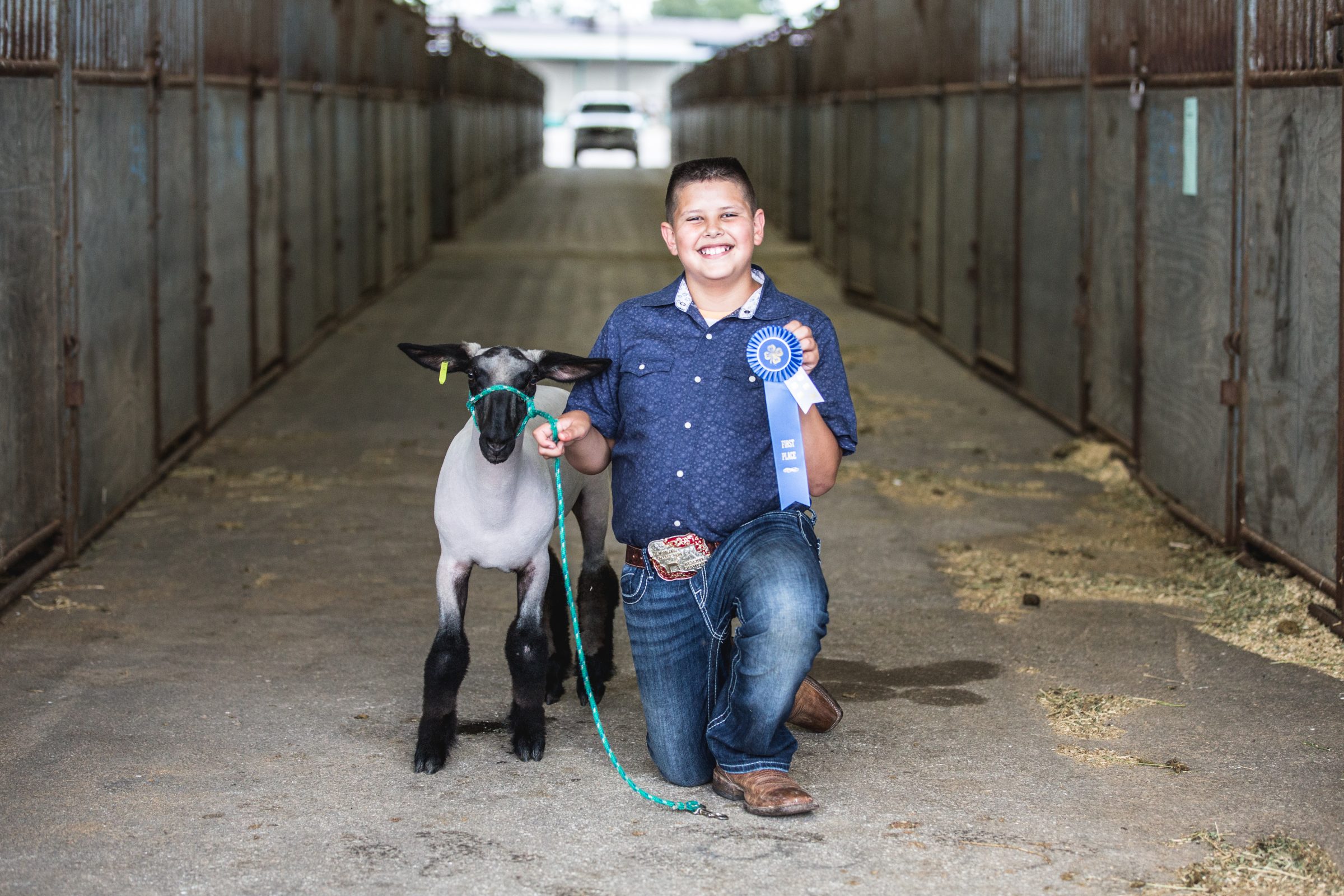
The sheep project allows members to identify sheep breeds and body parts, observe sheep behavior, and identify uses of wool and other by-products. Projects members will learn how to select desirable sheep and how to fit and show sheep.
Swine*
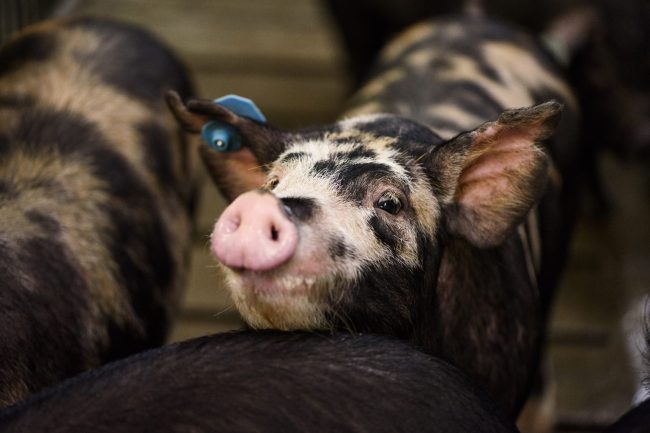
Enjoy learning about different swine breeds, anatomy of swine, and how to select the correct feed for swine. Also, in this project members will have a chance to practice judging market hogs.
Veterinary Services
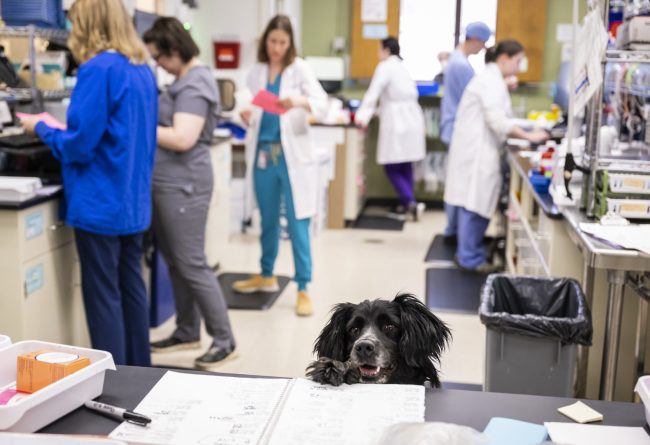
Learn different breeds of animals, interpret animal behavior, identify feed nutrients, describe animal life changes and systems, create health records for your animal, conduct food safety experiments, consider animal welfare, and many more.